Why Blended Learning is the Key to Employee Upskilling & Retention
In today’s fast-paced digital world, employee upskilling & retention are no longer optional — they are business imperatives. Organizations that fail to equip their employees with updated skills and growth opportunities risk losing their top talent to competitors who do. With evolving technologies, hybrid work models, and rising employee expectations, companies are turning to blended learning as a powerful solution to bridge skill gaps and boost retention.
What Is Blended Learning?
Blended learning is an approach that combines traditional face-to-face training with digital learning methods, such as e-learning, virtual classrooms, mobile learning, and on-demand resources. This hybrid model creates a flexible, engaging, and customized learning experience tailored to the unique needs of modern employees.
Instead of relying solely on classroom sessions or completely online courses, blended learning gives the best of both worlds — allowing employees to learn at their own pace while still benefiting from instructor-led guidance, collaboration, and mentorship.
The Link Between Blended Learning and Employee Upskilling & Retention
Let’s dive deeper into how blended learning directly impacts employee upskilling & retention:
1. Personalized Learning Paths Improve Skill Development
Employees have diverse learning preferences, prior knowledge, and career aspirations. A one-size-fits-all approach to training simply doesn’t work anymore. Blended learning allows organizations to create personalized learning paths, which can adapt to individual needs.
Through learning management systems (LMS), organizations can track progress, offer personalized recommendations, and measure performance. This leads to faster upskilling as employees engage with content that’s relevant, timely, and effective.
2. Flexibility Enhances Learning Engagement
Modern employees juggle multiple responsibilities — both personal and professional. Traditional in-person training can be rigid and time-consuming. Blended learning enables flexibility through self-paced online modules and mobile-friendly content that employees can access anytime, anywhere.
This flexibility results in higher learning engagement, which translates into more effective upskilling. Engaged learners are also more likely to feel valued, increasing their loyalty and reducing attrition.
3. Real-Time Application Boosts Skill Retention
Face-to-face training fosters collaboration, communication, and real-time problem-solving. When paired with online learning, employees can immediately apply what they learn in simulated or real-world scenarios. This reinforces retention of knowledge and skills.
A blended learning strategy may involve scenario-based simulations, interactive case studies, or mentorship sessions that allow learners to practice and refine their new skills. The immediate application makes upskilling more impactful.
4. Encourages Continuous Learning Culture
Organizations that invest in blended learning send a strong message: continuous learning is a priority. This helps build a culture of learning where employees feel encouraged to grow, innovate, and stay curious.
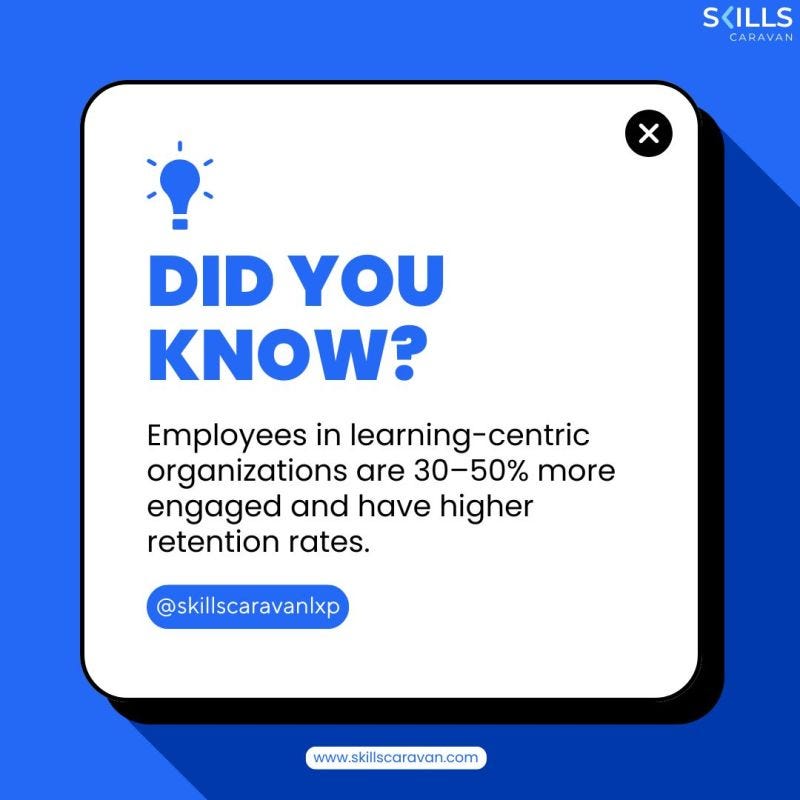
Such a culture becomes a magnet for top talent and encourages existing employees to stay longer. According to LinkedIn’s Workplace Learning Report, companies with strong learning cultures have 30–50% higher retention rates.
5. Cost-Effective Upskilling at Scale
Upskilling entire teams across multiple locations can be expensive and logistically complex. Blended learning reduces these costs by minimizing travel, venue rentals, and downtime while still providing meaningful in-person sessions.
This makes it easier for organizations to scale upskilling efforts without compromising on quality, ultimately leading to improved employee capabilities and reduced turnover costs.
6. Data-Driven Insights Enable Strategic Growth
One of the biggest advantages of blended learning is the ability to gather and analyze data. Organizations can use learning analytics to assess:
- Completion rates
- Time spent on learning
- Quiz performance
- Feedback and satisfaction scores
These insights help L&D teams refine training programs, align them with business objectives, and identify employees who are ready for new roles — thus facilitating internal mobility and improving retention.
Case Study: How Blended Learning Helped a Tech Company Reduce Attrition
A mid-sized software company struggling with high attrition rates decided to invest in a blended learning initiative. They created role-specific learning paths combining online technical modules with monthly workshops and mentorship programs.
Within a year:
- Employee satisfaction with learning jumped by 45%
- Productivity improved by 30%
- Attrition in key departments dropped by 40%
This case proves that employee upskilling & retention go hand-in-hand when supported by the right learning model.
Implementing Blended Learning: Best Practices
If you’re considering a blended learning strategy to enhance employee upskilling & retention, here are some best practices:
- Conduct a skills gap analysis — Understand where the upskilling is needed most.
- Segment your learners — Offer tailored learning journeys based on job roles and experience levels.
- Invest in the right tools — Use a robust LMS to manage content, track progress, and generate insights.
- Incorporate social learning — Encourage peer-to-peer learning through discussion forums, group projects, and coaching.
- Gather feedback continuously — Use surveys and check-ins to optimize the learning experience.
- Recognize achievements — Offer certifications, badges, or other recognition to motivate learners.
The Future of Employee Upskilling & Retention Lies in Blended Learning
The workplace is evolving rapidly, and so are employee expectations. They seek more than just a paycheck — they want growth, purpose, and opportunities to stay relevant. Companies that embrace blended learning as a cornerstone of their employee upskilling & retention strategy will not only see higher engagement and performance but also long-term loyalty.
Blended learning isn’t just a trend — it’s a strategic investment in your people and your future.

Comments
Post a Comment