How to Identify and Close Your Personal Skill Gaps for Career Growth
In today’s fast-paced and competitive professional landscape, career growth is no longer just about clocking in hours or sticking with one company. It’s about continuously improving, adapting, and leveling up your skills. One of the most effective ways to ensure steady career progression is by identifying and closing personal skill gaps.
This blog explores how you can take a structured, proactive approach to identify your skill gaps — and more importantly — how to bridge them, unlocking your true potential for long-term career growth.
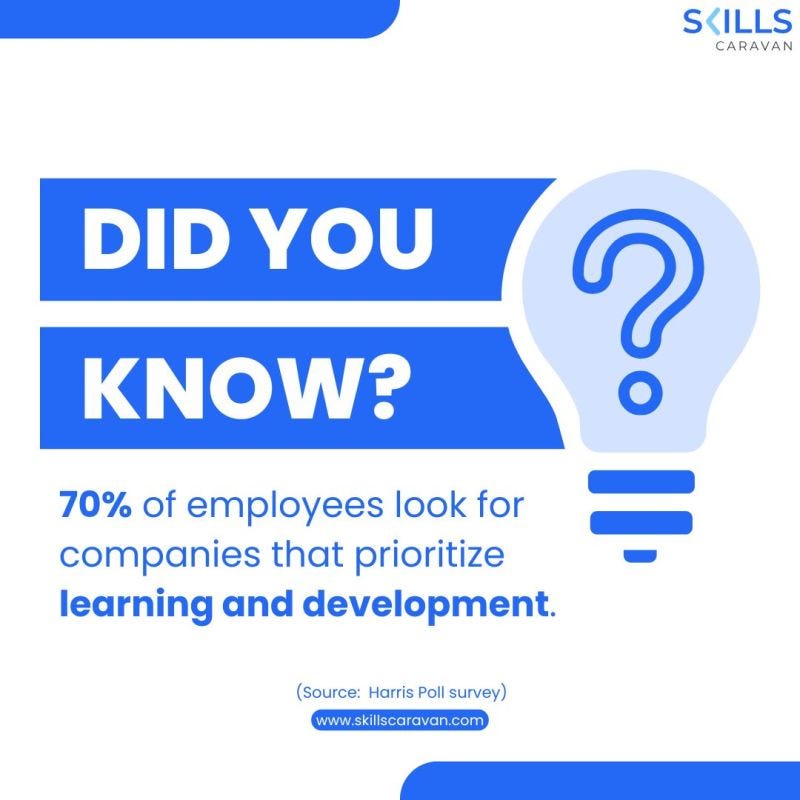
What Are Personal Skill Gaps?
A personal skill gap refers to the difference between the skills you currently possess and the skills required to perform your job effectively or to advance to the next level in your career. These gaps can be technical (like data analysis), soft (like leadership), or industry-specific (like legal compliance knowledge).
Recognizing and addressing these gaps is crucial for long-term career growth, as stagnant skills often lead to stagnant opportunities.
Why It’s Important to Address Skill Gaps
Ignoring your skill gaps can limit your professional value and make you vulnerable to being replaced or overlooked for promotions. Conversely, closing these gaps
- Enhances your performance and productivity.
- Prepares you for leadership or specialized roles.
- Increases your marketability in the job market.
- Supports your journey toward sustained career growth.
Step-by-Step: How to Identify and Close Your Skill Gaps
1. Self-Assessment: Start with Honest Reflection
Begin your journey by evaluating your own strengths and weaknesses. Ask yourself:
- What tasks do I struggle with?
- What feedback have I received from managers or peers?
- What skills do top performers in my field possess that I don’t?
Use tools like SWOT analysis (Strengths, Weaknesses, Opportunities, Threats) to structure your thoughts.
Tip: Write down your career goals and assess what skills are required to achieve each milestone. This helps you align skill-building with actual career growth objectives.
2. Seek Feedback from Others
Sometimes, others can see what we cannot. Regular feedback from managers, mentors, peers, or even clients can offer eye-opening insights.
- Schedule performance reviews or informal check-ins.
- Ask for constructive criticism — specifically related to your skill set.
- Join peer review groups or mentorship programs.
This collaborative feedback loop can highlight both technical and soft skills that need work, fueling smarter strategies for career growth.
3. Benchmark Against Industry Standards
Research job descriptions for roles you’re aiming for. Look at LinkedIn profiles of people who are where you want to be. Notice the common certifications, skills, and experiences they have.
Ask:
- What technologies, tools, or platforms do they use?
- What soft skills (like team management or negotiation) are emphasized?
- Are there industry-specific licenses or degrees required?
This benchmarking gives you a clear roadmap to follow, minimizing guesswork and maximizing career growth opportunities.
4. Prioritize the Gaps
Once you’ve identified your skill gaps, rank them based on:
- Relevance to your current or future job roles.
- Frequency of use in your daily tasks.
- Impact on your job performance and career growth
You don’t need to fix every gap at once. Focus on the most critical areas first — this ensures quicker wins and sustained motivation.
5. Create a Skill Development Plan
Now that you know what needs improvement, develop a personalized plan. Include:
- Short-term goals: e.g., complete an Excel course in 4 weeks.
- Medium-term goals: e.g., lead a small team project within 6 months.
- Long-term goals: e.g., qualify for a management role in 1–2 years.
Use the SMART goal framework (Specific, Measurable, Achievable, Relevant, Time-bound) to stay accountable and align every step with your career growth goals.
6. Use Online Learning Platforms
Digital platforms have revolutionized skill development. Platforms like Coursera, LinkedIn Learning, Udemy, and Skillshare offer flexible and affordable courses.
Benefits include:
- Learning at your own pace.
- Gaining certificates that boost your resume.
- Mastering current industry trends and tools.
Make learning a habit. Even dedicating 30 minutes a day can significantly contribute to your career growth over time.
7. Practice Through Real-World Projects
Skill acquisition is not just about theory — it’s about application.
- Volunteer for new tasks or projects at work.
- Take up freelance gigs or side projects.
- Simulate real-world challenges if you’re learning solo (e.g., create mock business plans or code apps).
These hands-on experiences strengthen your learning, boost your confidence, and give you proof of competency that supports career growth.
8. Build a Support System
Surround yourself with people who inspire and challenge you.
- Join professional communities and forums.
- Attend industry conferences and webinars.
- Network with people who’ve achieved the career growth you’re aiming for.
This exposure not only motivates you but also helps you discover emerging skill requirements early.
9. Track Your Progress
You won’t know how far you’ve come if you don’t measure it.
- Maintain a learning journal or progress tracker.
- Celebrate small wins (e.g., completing a course, getting a certificate, leading a new project).
- Reassess your goals every few months and adjust your learning path.
Tracking gives clarity and reinforces your commitment to consistent career growth.
10. Stay Agile and Open to Change
Today’s top skills may be obsolete in a few years. The most successful professionals aren’t those who know everything — they’re the ones who adapt quickly.
- Stay updated with industry trends.
- Stay curious — always ask, “What else can I learn?”
- Be willing to unlearn outdated methods and adopt new ones.
This mindset of continuous learning is the foundation of sustainable career growth.
Final Thoughts
Identifying and closing personal skill gaps isn’t a one-time task — it’s an ongoing process. But by taking intentional steps, seeking feedback, applying new knowledge, and staying curious, you not only become more effective at your current job but also prepare yourself for exciting new opportunities.
Remember, career growth is not handed to you — it’s built through consistent self-improvement. The earlier you start bridging your skill gaps, the sooner you can reach your professional goals.

Comments
Post a Comment