5 Proven Ways to Maximize the ROI of Your Learning Experience Platform (LXP)
In today’s fast-paced digital learning environment, organizations invest heavily in modern tools to train and upskill employees. One of the most powerful tools available is the Learning Experience Platform (LXP). Unlike traditional LMS (Learning Management Systems), an LXP delivers personalized, engaging, and continuous learning experiences. But like any investment, businesses want to see a clear return.
So how can you ensure that your Learning Experience Platform delivers value, boosts learner engagement, and ultimately provides a strong ROI?
Here are 5 proven ways to maximize the ROI of your Learning Experience Platform:
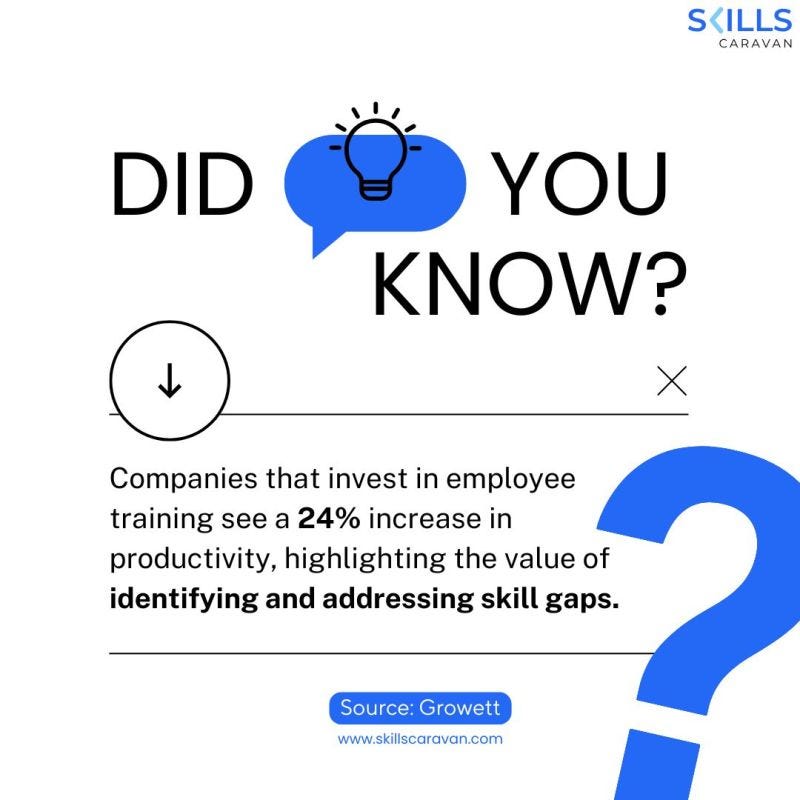
1. Align the LXP with Business Goals and Skill Gaps
To maximize the ROI of your Learning Experience Platform, you must first align it with your company’s overall business goals. Whether you’re aiming to improve leadership, technical skills, or customer service, your LXP should directly contribute to these outcomes.
How to do it:
- Conduct a skills gap analysis: Identify where your workforce lacks key competencies.
- Set measurable learning objectives: Ensure your LXP content is designed to fill those gaps.
- Integrate LXP data with business metrics: Track how learning outcomes correlate with performance indicators like sales, customer satisfaction, or retention.
By ensuring your Learning Experience Platform supports real business needs, you’ll get more than just course completions — you’ll drive real impact.
2. Deliver Personalized and Adaptive Learning Experiences
One-size-fits-all learning is a thing of the past. An effective Learning Experience Platform should provide personalized learning paths based on user behavior, job roles, learning styles, and interests.
Benefits of personalization:
- Increases learner engagement
- Reduces time spent on irrelevant content
- Encourages self-directed learning
Use AI-driven features within the LXP to recommend content, track progress, and adjust learning paths dynamically. When learners see content that’s directly relevant to their roles and goals, they’re more likely to engage — and that increases ROI.
3. Integrate with Existing Tools and Systems
Another key to maximizing ROI from your Learning Experience Platform is seamless integration. Most organizations already use a stack of HR, performance management, and productivity tools. If your LXP works in isolation, it limits its potential.
Integration opportunities:
- HRIS and performance management systems: For learner tracking and performance improvement
- Collaboration tools like Slack or Microsoft Teams: For sharing learning content and encouraging discussion
- CRM systems: For linking learning to customer-facing roles and results
Integration ensures that learning is part of everyday work, not an isolated task. This leads to better knowledge retention and application.
4. Encourage Social and Collaborative Learning
Social learning is a core feature of the modern Learning Experience Platform. People learn best when they can discuss, share, and reflect on knowledge with others. When your LXP supports this type of collaborative learning, you’ll see higher levels of engagement and retention.
Features to utilize:
- Discussion boards and forums
- Peer-to-peer learning modules
- Mentorship features
- User-generated content
Encouraging users to contribute content and participate in discussions not only builds a stronger learning culture but also reduces the burden on L&D teams to create all materials. More interaction = more engagement = higher ROI.
5. Measure, Analyze, and Continuously Improve
Finally, you can’t improve what you don’t measure. Your Learning Experience Platform should provide robust analytics to help you understand what’s working and what isn’t.
Key metrics to track:
- Learner engagement rates
- Course completion rates
- Skill acquisition progress
- Impact on business KPIs
Use dashboards and reporting tools to generate insights from learner behavior. If a particular content format isn’t working, tweak it. If certain departments aren’t engaging, run targeted campaigns. A data-driven approach ensures continuous improvement and sustainable ROI from your LXP.
Final Thoughts
A Learning Experience Platform is more than just a training tool — it’s a strategic investment in your organization’s growth and competitiveness. By aligning it with business goals, personalizing the experience, integrating with existing systems, promoting collaboration, and using data to improve, you can ensure that your LXP delivers exceptional ROI.
Remember, the key to maximizing the value of your Learning Experience Platform lies not just in implementing it — but in strategically managing and evolving it to meet the changing needs of your workforce.
Bonus: Tips for Selecting the Right Learning Experience Platform
If you’re still in the process of choosing an LXP, look for platforms that offer:
- AI-driven personalization
- Easy integration with your current tech stack
- Strong analytics and reporting features
- A user-friendly interface
- Support for social and mobile learning
A feature-rich and scalable Learning Experience Platform is essential to drive long-term success and return on your learning investments.

Comments
Post a Comment